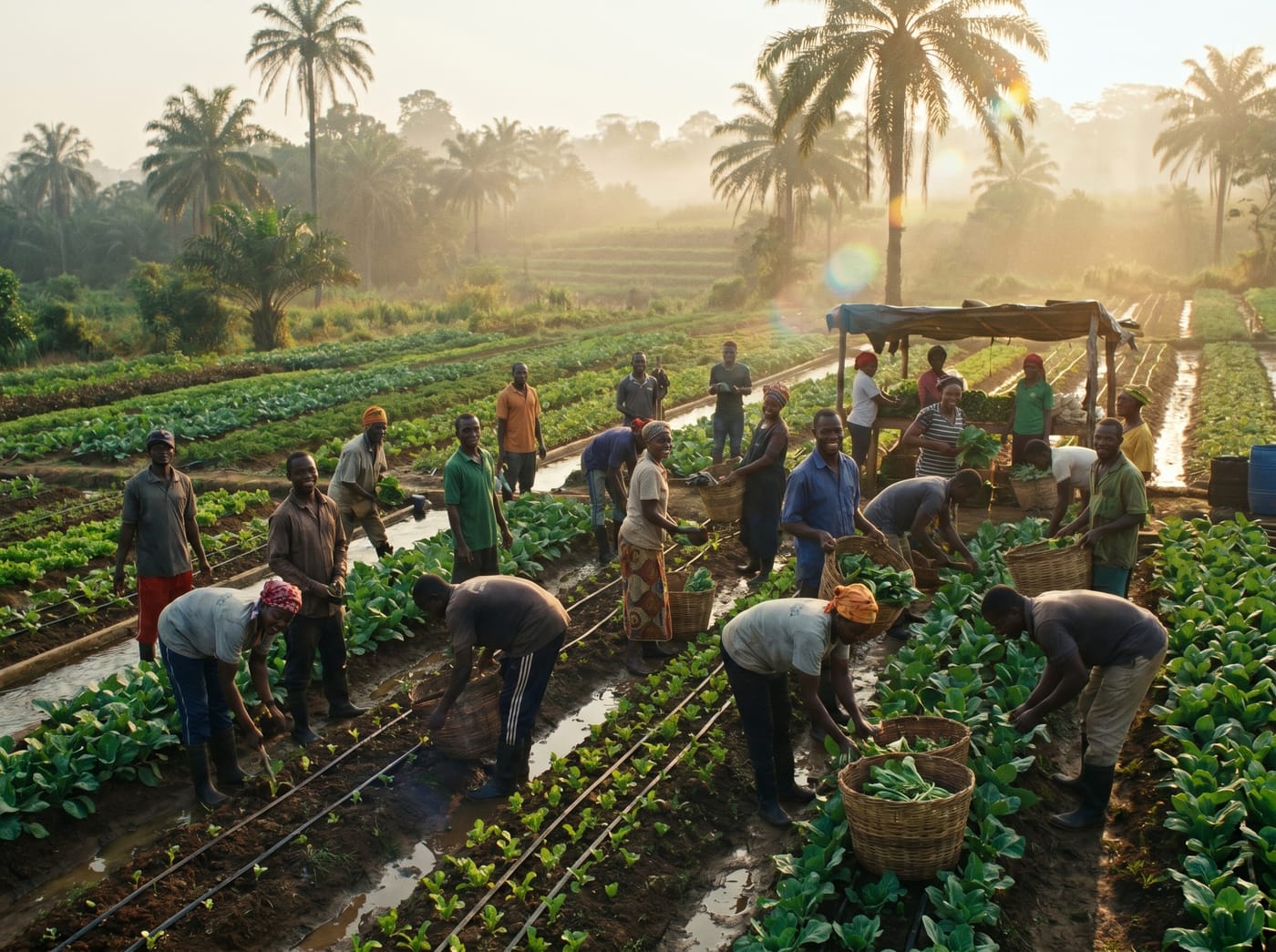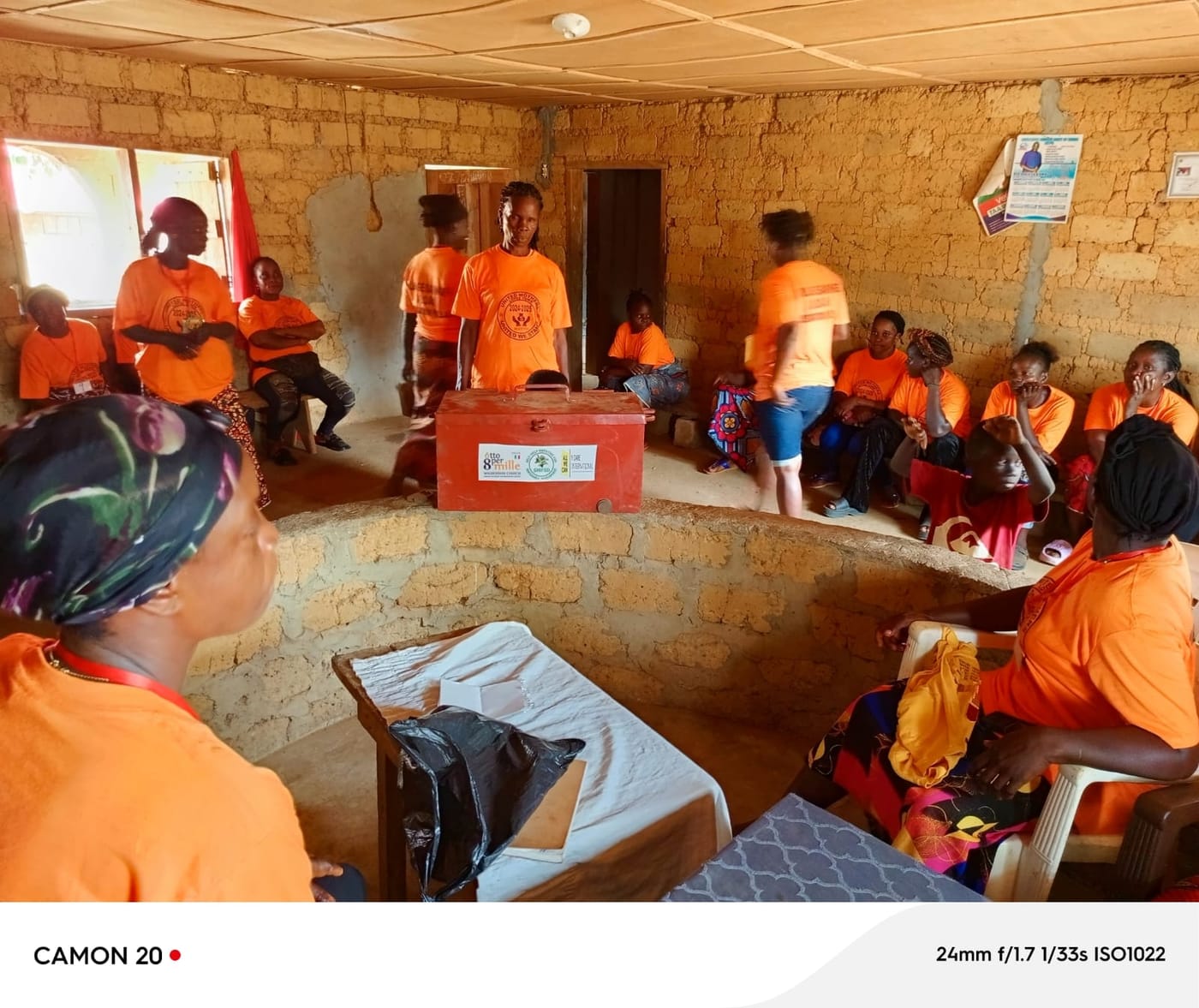
Our Climate-Smart Agriculture program has expanded to reach all seven target counties in Liberia, equipping over 1,187 smallholder farmers with sustainable techniques for food security and climate resilience.
After nearly a decade of building a Climate-Smart Agriculture (CSA) practice from the ground up, SHIFSD has now trained more than 1,187 smallholder farmers across all seven of the counties we serve — Montserrado, Nimba, River Gee, Maryland, Lofa, Bomi, and Grand Cape Mount.
The 28.1-acre demonstration farm in Kpytuo Town, Nimba County, has become the practical heart of the program. Farmers travel from surrounding communities to see conservation agriculture, agroforestry, and post-harvest handling in action, then return home with seeds, tools, and a training plan for their own plots.
What farmers are learning
- Conservation agriculture — minimum tillage, cover crops, and crop rotation to rebuild soil health.
- Agroforestry — pairing trees with crops for shade, fertility, and extra income from fruit and timber.
- Post-harvest management — drying, storage, and simple processing to cut losses in half.
- Community seed multiplication — banking improved varieties so no one has to buy seed each season.
“Before SHIFSD's training, my rice yield could barely feed my family. After learning conservation techniques on the demo farm, I harvested twice as much last season and sold the surplus to pay school fees.”
— Musa B., Nimba County
Yield improvements now average 85% across participating households, according to our year-on-year monitoring. Just as importantly, farmers report they are eating from their own fields for more months of the year and depending less on emergency food purchases when rains are late.
The next expansion phase — running from mid-2025 through 2028 — will deepen the program in Lofa and River Gee, formalise farmer-to-farmer training cohorts, and open a second demonstration plot closer to the southeastern counties.